Shape-Cutting: Printed Materials That Stand Out From the Crowd
- 04 Jun, 2026
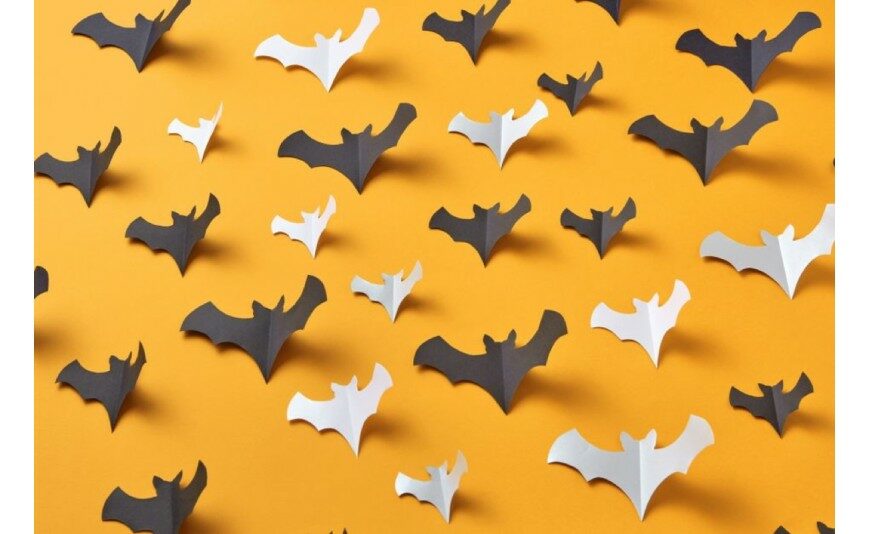
A rectangle is efficient, but rarely memorable. Shape-cutting, on the other hand, frees up the outline: your card follows the silhouette of your logo, your flyer takes on the shape of your product, your sticker stands out with no visible border. It's one of the simplest ways to make a printed piece catch the eye, beg to be picked up, and get kept. For shopkeepers, tradespeople, estates and associations across the Gers and Landes, here's a practical look at this technique, its uses, and the constraints worth knowing before you get started.
What Exactly Is Shape-Cutting?
The principle is simple: instead of a standard right-angled format, the material is cut to a custom outline. Two main methods coexist. The first, traditional one, uses a cutting die (a bespoke tool fitted with blades) that stamps the material like a giant press. It's unbeatable for large runs and also allows for complex creasing, perforating and folding. The second, digital cutting, drives a blade or laser directly from the file, with no tool to make beforehand. More flexible for small quantities, it lets you test a shape, personalise individual pieces, or produce short runs without tooling costs.
Everything Shape-Cutting Makes Possible
The range of applications is broad, well beyond the simple sticker:
- Original business cards: rounded corners, a shape following your logo, a cut-out window, or a silhouette tied to your trade;
- Die-cut flyers and cards: an outline that stands out in a letterbox or on a counter;
- POS displays and stands: easels, counter totems, cardboard displays that build up into 3D shapes;
- Stickers and labels: cut to the outline of the design, no white border, for a clean finish;
- Packaging: cases, boxes and wrappers whose outline builds in flaps, notches and windows;
- Bookmarks, placemats, menu tent cards: clever formats that extend the experience.
On a card, this visual signature changes everything: our business card and premium stationery solutions lend themselves perfectly to a cut that reflects your identity. On POS displays, stands and 3D promotional items, it's also the playground of our custom promotional items.
The Marketing Angle: Really Standing Out
Why go to the trouble? Because an unexpected shape triggers a reflex: people look, pick it up, and keep it. Where ten rectangular cards all look alike, a die-cut card gets noticed. The piece becomes an object, and an object is less quick to throw away. For a wine estate, a bottle label or neck tag with a carefully worked outline instantly boosts the premium perception on the shelf; our printing solutions for winemakers and estates build in these finishes to showcase every vintage. Shape-cutting is therefore as much an investment in image as it is a communication tool.
Technical Constraints to Plan For
For a clean result, a few rules are essential. The main one is the cut line: it should be supplied in the file as a vector path, on its own dedicated spot-colour layer, to indicate precisely where the blade needs to travel. Next, think about margins and bleed: allow a few millimetres of artwork beyond the cut line and keep important text well clear of the edge, otherwise a slight cutting shift could clip it. The material matters too: card that's too thin will warp, and a detail that's too small or an angle that's too sharp will tear. Bold shapes, gently curved outlines and suitable materials work best. If in doubt, it's worth talking it through early: that's exactly the role of your single point of contact, from initial advice through to a print-ready file.
Small Runs or Large Print Runs: The Right Method
The choice of technique mainly depends on volume. For anywhere from a few dozen to a few hundred pieces, or to test a shape before scaling it up, digital cutting avoids tooling costs and stays flexible. For large runs, making a cutting die quickly becomes more cost-effective beyond a certain threshold, with high speed and consistency. In between, it's judged case by case, depending on quantity, the complexity of the outline and the deadline. Our workshop in Manciet (32), carrying the Made in Occitania label, produces the vast majority of your orders on site (94% in 2024-2025) and 100% in France, then delivers throughout France and Europe. Whether you're a shopkeeper or a producer in Nogaro and the Armagnac, we'll point you towards the right solution.
Have an idea for a shape, a logo you want to showcase, or packaging to design? Send us your project, even at the sketch stage: we'll advise you on the cut line, the material and the run size, then send you a free quote within 72 hours. Shape-cutting turns an ordinary printed piece into something people notice, and that's exactly what makes the difference.
Further reading
- 30 Jul 2026Signage and window graphics regulation: 2026 guide (Gers, Landes)
- 01 Jul 2026Mandatory Notices on Your Printed Materials | 2M Numérique
- 04 Jun 2026Roll-Up or Kakemono: Which One for a Stand?
- 04 Jun 2026Rigid Panel or Banner: Which Outdoor Material?
- 04 Jun 2026Adhesive Labels: Paper or Vinyl, How to Choose
 Français
 English
 Español