
Adhesive Labels: Paper or Vinyl, How to Choose?
- 04 Jun, 2026
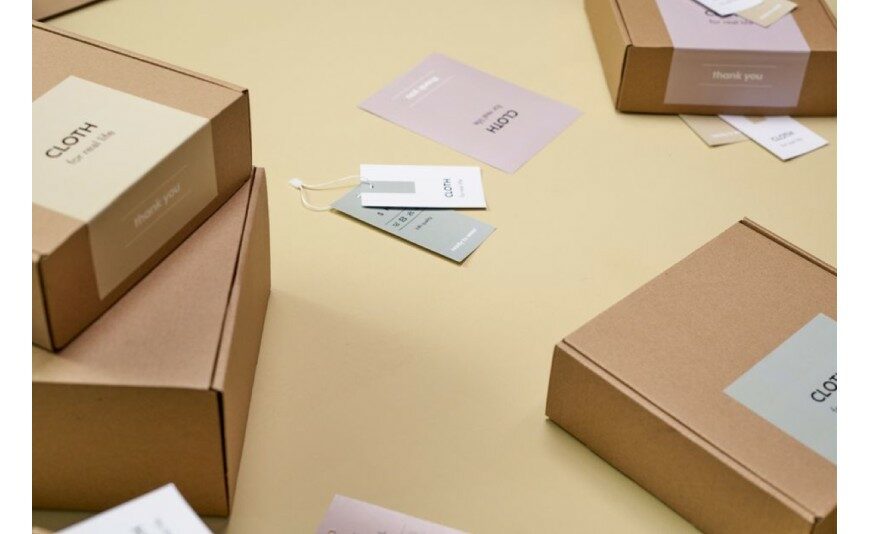
A great label doesn't draw attention to itself: it holds firm, stays legible and enhances the product without ever peeling off at the wrong moment. But choosing between a warm coated paper, an authentic kraft paper and a water-resistant vinyl changes everything. A honey jar, a wine bottle, a cosmetics bottle, a shipping carton: every product has its own constraints. For producers, craftspeople and retailers across the Gers and Landes, here's a practical guide to choosing between paper and vinyl.
Paper or Vinyl: Two Different Approaches
It all starts with a simple question: will your label get wet, rubbed, chilled or left outdoors? Paper is all about look and feel: coated paper delivers crisp colours and a polished finish, while kraft brings a natural touch that's much sought after for local, farm-style products. Its weak point is prolonged exposure to water and moisture. Vinyl, on the other hand, is a plastic material: it withstands water, rubbing, fridge-cold temperatures and, in suitable versions, outdoor conditions. It comes in opaque white vinyl and clear vinyl, which creates an elegant "no-label" effect on glass. In short: paper for warmth and budget, vinyl for durability.
Durability: Water, Cold, Rubbing and Outdoor Use
This is the criterion that rules a material in or out. Run your product through its everyday reality:
- Contact with water: a bottle in an ice bucket, a shower bottle, a jar rinsed in the kitchen — vinyl is the obvious choice, as paper will warp;
- Cold and condensation: chilled or frozen products, where moisture causes a standard paper label to peel off;
- Rubbing and handling: labels that are touched, stacked or transported, which wear quickly without protection;
- Outdoor exposure: containers used outdoors or stored without shelter, exposed to UV rays and moisture;
- Dry, short-term use: bags, boxes, internal logistics labelling, where a good-quality paper is more than enough.
A coated paper label holds up perfectly on a bag of coffee or a gift box. But for a chilled bottle of wine, vinyl avoids any nasty surprises.
Adhesives: Permanent, Repositionable or Removable
The material isn't everything: the adhesive matters just as much. Permanent adhesive is the standard choice: it holds for the long haul and can't be removed without damaging the label, perfect for permanently identifying a product. Repositionable adhesive lets you adjust the placement right after applying it, handy for precise alignment. Removable adhesive comes off cleanly, without marks or residue, ideal for reusable containers or temporary marking. The right choice also depends on the surface: glass, plastic, cardboard and metal don't all take adhesive the same way.
Finishes: Matte, Gloss and Lamination
The finish gives a label its character and protects the print. A glossy finish brings colours to life and catches the light, perfect for an eye-catching visual. Matte adds a sober, upmarket touch with no glare, much loved on premium labels and local farm products. Lamination adds a protective layer against water, scratches and rubbing: a real asset whenever a label gets handled a lot. On bottles, these finishes often make the difference on the shelf: our printing solutions for winemakers and estates take this into account to showcase every vintage. For your catalogues and related sales materials, also take a look at our commercial print range.
Wine, Honey, Cosmetics, Logistics: The Right Material for Every Use
A few pointers, trade by trade. For wine and spirits, coated or textured paper remains king for prestige, but vinyl becomes essential as soon as the bottle goes in the fridge. For honey and jam, kraft paper reinforces the artisan image, provided the jar stays dry. For cosmetics, vinyl stands up to bathroom humidity. For logistics, an economical paper with permanent adhesive is preferred, for tracking and addressing. Farms often straddle both worlds: our labels for agriculture and local producers cover both the eye-catching container and the utilitarian marking.
Roll or Sheet: The Right Format
All that's left is choosing the format. The roll is the go-to solution for high-volume labelling: continuously unwound, quick to apply by hand or with an applicator, ideal for labelling on the fly during production. The sheet, meanwhile, groups several labels on a single page: economical for small quantities, handy for producing variants or labelling occasionally. The right format depends on your volume: a few dozen units a month and several thousand on a production line call for different answers.
Based in Manciet (32), a workshop labelled Made in Occitania, we produce the vast majority of your orders on site (94% in 2024-2025) and 100% in France, with a single point of contact from advice through to delivery. From a kraft honey jar label to a clear vinyl wine label, we'll guide you towards the right material-adhesive-finish combination. Tell us about your product and receive a free quote within 72 hours, with delivery across France and Europe. A good label is your image, built to last.
Further reading
- 30 Jul 2026Signage and window graphics regulation: 2026 guide (Gers, Landes)
- 01 Jul 2026Mandatory Notices on Your Printed Materials | 2M Numérique
- 04 Jun 2026When Should You Order Your Print? The Lead Time Guide
- 04 Jun 2026Cotton, Polyester or Organic: Choosing Your Custom Fabric
- 04 Jun 2026Business Cards: 7 Mistakes to Avoid When Printing
 Français
 English
 Español