
Custom Stickers and Labels: Uses, Materials and Finishes
- 04 Jun, 2026
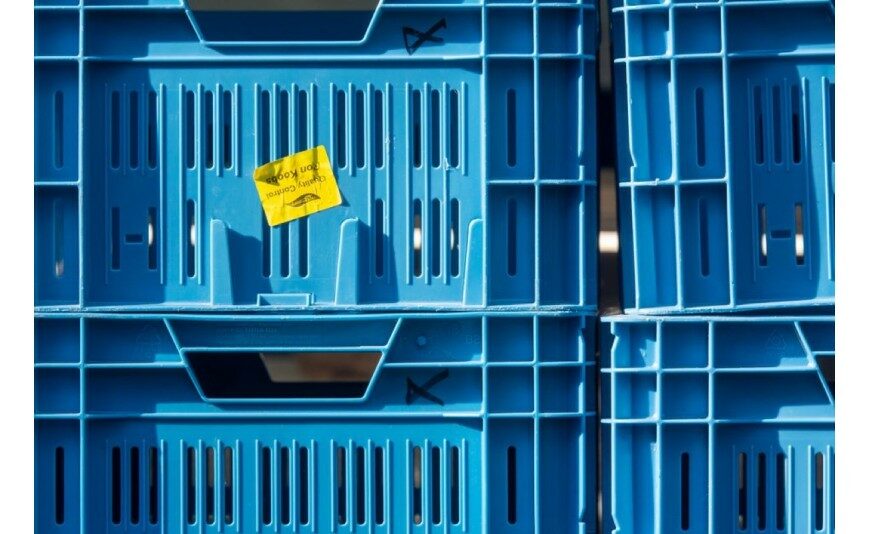
Small format, big impact: the custom sticker is one of the most versatile tools in visual communication. It dresses up a product, seals a parcel, brings a shop window to life, marks a vehicle, or slips into a promotional item. The trick is choosing the right vinyl, cutting method and finish for wherever the sticker is going to live. For businesses and individuals across the Gers and Landes, here's a practical guide to a clean, durable result that's true to your image.
What Are Your Stickers For?
Before talking materials, start with the use case: that's what determines everything else. Custom stickers cover a wide range of needs:
- Product labels: jars, bottles, cosmetics, tins, honey or jam;
- Packaging and shipping: parcel seals, brand stickers, address labels or a logo on kraft paper;
- Shop windows and storefronts: opening hours, promotions, business name, seasonal touches;
- Vehicle marking: logo, contact details, partial lettering on a door or tailgate;
- Promotional items and events: giveaway stickers, laptop stickers, stand handouts;
- Signage: numbers, pictograms, instructions, door and zone identification.
The same design won't call for the same material on a kitchen jar, a south-facing shop window or a car body. That's the whole challenge.
Shaped, Sheet or Roll: Choosing the Cut
The cutting method shapes both the final look and how the sticker is applied. Shape-cutting follows the precise outline of your design: ideal for a logo or an original form that stands out. A sheet groups several stickers together on one page, cost-effective for handing out or offering a range of designs. A roll is the go-to solution for product labels produced in volume: continuous unwind, fast application, sometimes compatible with a labelling machine. There's also backgroundless vinyl cutting, where only the letter or shape stays stuck down with no visible border, as seen on shop window and vehicle lettering. The right method depends on volume, the look you want and ease of application.
The Material: Vinyl, Transparency and Durability
At the heart of it all is the vinyl. White vinyl is the most common: colours come out vivid and opaque, ideal for most labels. Clear vinyl creates an elegant "no-label" effect on glass and jars, where only the printed design is visible. On durability, there are two families: monomeric vinyl, affordable and best for indoor or short-term use, and polymeric (cast) vinyl, more resistant and better suited to complex surfaces, recommended for outdoor use and vehicle marking. There are also repositionable adhesives, which peel off without leaving a mark, handy for seasonal window displays, and materials built to withstand the outdoors, UV rays and humidity. For your window, vehicle or large-format adhesives, discover our large-format and signage expertise, production and installation included.
Gloss, Matte, Laminate, Foiling: The Finishes That Change Everything
The finish gives a sticker its character and protects the print. A gloss finish makes colours pop and catches the light; matte brings a sober, high-end touch, glare-free, much loved on premium labels. Laminating protects against scratches, water and rubbing: essential whenever a sticker is handled, washed or exposed to the elements. To go further, hot foiling or spot varnish elevate a logo and boost perceived value. On bottle labels and local produce, these finishes often make all the difference on the shelf: our printing solutions for winemakers and estates take this into account to showcase every vintage.
Indoor or Outdoor: The Deciding Factor
First and foremost, ask yourself: where will the sticker be applied, and for how long? For indoor use over a short period, a glossy or matte monomeric vinyl with no laminate is usually enough, and stays cost-effective. For outdoor use, on a shop window, a vehicle or exposed signage, a polymeric vinyl, anti-UV laminate and adhesive suited to the surface are the better choice, lasting several years without yellowing or peeling. Also consider the surface it's going on: glass, metal, plastic or a curved car body all take adhesive differently. If in doubt, the simplest thing is to talk it through: we steer every project towards the right material-and-finish combination, including for your custom promotional items and giveaways.
Your Custom Stickers in the Gers and Landes
Based in Manciet (32), a workshop carrying the Made in Occitania label, we produce the vast majority of your orders on site (94% in 2024-2025) and 100% in France. From roll labels to shop window lettering, you keep a single point of contact from advice through to delivery, with no call centre. Whether you're a shopkeeper, tradesperson, winemaker or association in Nogaro and the Armagnac, let's talk about your stickers: we'll put together a free quote within 72 hours and deliver throughout France and Europe. Trust us with your stickers, and they'll carry your image well beyond the first glance.
Further reading
- 30 Jul 2026Signage and window graphics regulation: 2026 guide (Gers, Landes)
- 01 Jul 2026Mandatory Notices on Your Printed Materials | 2M Numérique
- 04 Jun 2026Roll-Up or Kakemono: Which One for a Stand?
- 04 Jun 2026Rigid Panel or Banner: Which Outdoor Material?
- 04 Jun 2026Adhesive Labels: Paper or Vinyl, How to Choose
 Français
 English
 Español