Corporate Christmas cards: polishing your image at year-end
- 04 Jun, 2026
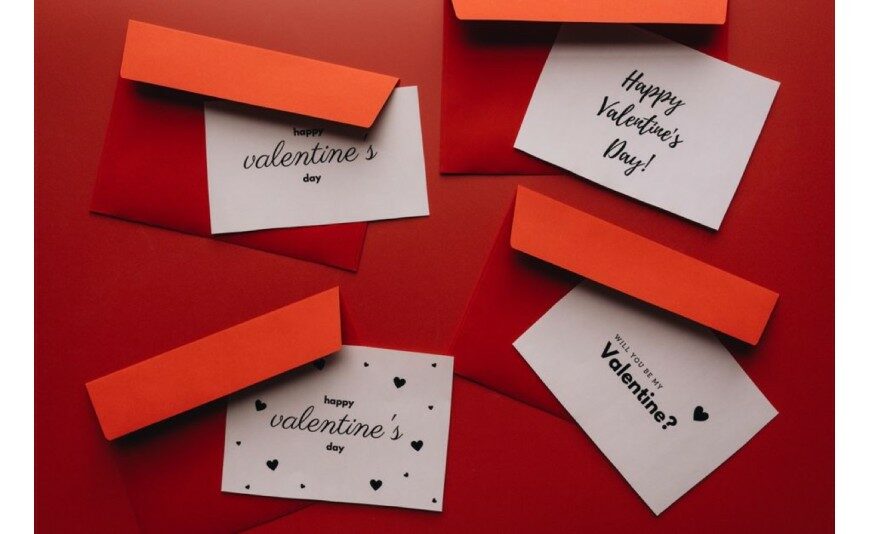
Every year-end, your customers receive dozens of automated messages that all look the same. A genuine corporate Christmas card, thoughtfully designed and well made, does the opposite: it shows sincere consideration and nurtures the relationship at a moment when you take the time to say thank you. For a small business or a local authority in the Gers and Landes, it's one of the rare points of contact that's about relationship, not sales. Here's how to make it a gesture that serves your image for the long term.
Why the Christmas card remains such a powerful point of contact
In a daily life saturated with emails, receiving a card addressed to you personally remains a rare and flattering signal. The gesture shows you've thought of the recipient, without asking for anything in return. That's what makes it so effective: it maintains the bond with a customer, partner or supplier, in a context where a sales follow-up would feel out of place. Done well, it stays on a desk for several weeks, your logo in full view.
Printed card or e-card: which to choose?
The right choice depends on your relationship with the recipient. A printed card creates a physical presence and lends itself to premium finishes; an e-card, on the other hand, reaches a large number of contacts quickly and at lower cost. Many companies combine the two:
- The printed card for your key clients, partners and referrers — the people you really want to make an impression on;
- The e-card for your newsletter and more distant contacts;
- Visual consistency between both versions, so the message stays recognisable across channels.
Print keeps an advantage that digital can't replicate: you can touch it, display it, keep it. That's what makes it the format of choice for your most valued relationships, just like the rest of your professional card range.
When should you send your Christmas cards?
Timing matters just as much as the message. The ideal window is the first half of December, arriving before the year-end rush and office closures. You can also confidently send in early January: you avoid the December crush, and your card stands out just as everyone gets back to work. Either way, a Christmas card is best received before the end of January; the classic pitfall is a late, rushed mailing, which does more harm than good.
Formats and finishes that make the difference
Paper is where a Christmas card really shows its potential. Beyond the format (single card, folding double card, card with matching envelope), it's the finishes that turn an ordinary print into a beautiful object:
- hot foil stamping, which highlights a logo or a date with a striking metallic gleam;
- spot varnish, which brings out a motif or word through a subtle matte/gloss contrast;
- a special die-cut shape or fold, for a card that stands out the moment it's opened;
- a textured paper or heavier weight, which gives your message added substance.
These finishes should always serve the message: a good paper stock and a well-placed touch of foil are often enough to convey the care you put into your relationships. Our products carry the Made in Occitania label, a mark of local provenance your recipients will appreciate.
Striking the right tone and staying on brand
A Christmas message is best kept short, sincere and personal. Avoid overly generic phrases copied year after year: a line reflecting on the year gone by, a genuine thank you, a simple wish for the year ahead are enough. Visually, your card should speak the same language as your other materials: the same colours, the same typography, the same logo as your stationery and business cards. This consistency strengthens brand recognition. If your files aren't ready, our design studio can create a card in your image. Local authorities and associations will also find it an ideal format for their institutional greetings: see our page dedicated to printing for local authorities.
Planning ahead for lead times, envelopes and mailing
A successful Christmas card is prepared early. In December, print schedules fill up fast and postal lead times get longer: it's best to finalise your project as early as November. Also think about the envelope, which is part of the message: a matching format, sometimes personalised with your name, sets the tone right from the letterbox. If you're sending your cards in bulk, mailing logistics (enveloping, addressing) should be planned ahead to hit your dates. From our workshop in Manciet, in the Gers, a single point of contact follows your project from advice through to delivery, with no call centre involved, and we deliver across France and Europe. For local, hands-on support, take a look at our Fleurance printing page too.
Ready to mark the end of the year with a card that truly reflects you? Start your project now, without waiting for the December rush: request your free quote, and you'll have our answer within 72 hours.
Further reading
- 30 Jul 2026Signage and window graphics regulation: 2026 guide (Gers, Landes)
- 01 Jul 2026Mandatory Notices on Your Printed Materials | 2M Numérique
- 04 Jun 2026Roll-Up or Kakemono: Which One for a Stand?
- 04 Jun 2026Rigid Panel or Banner: Which Outdoor Material?
- 04 Jun 2026Adhesive Labels: Paper or Vinyl, How to Choose
 Français
 English
 Español