The Print Proof: The Key Step Before Printing
- 04 Jun, 2026
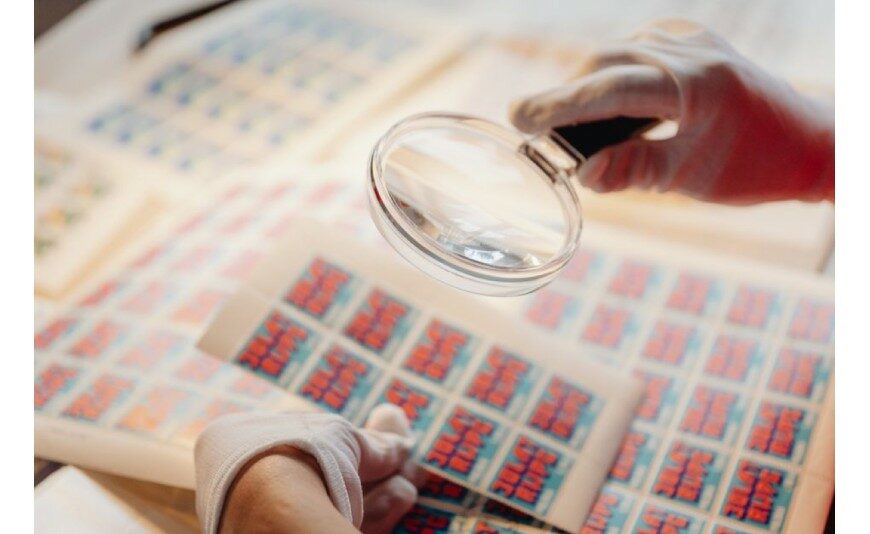
The file is ready, and you're eager to get going. Yet one final step stands between your project and the finished print run: the proof, sometimes known by its French name, the BAT. This is the moment when you confirm, in black and white, that everything is correct before the presses start rolling. A typo in a phone number, a blurry logo, or a colour that's slightly off, and you're looking at reprinting an entire run. Understanding what the proof is, and checking it methodically, saves you from unpleasant surprises.
What Exactly Is a Print Proof?
The proof is the final version of your document, presented for definitive sign-off before printing. By approving it, you give the green light to print: you're confirming that the content, layout and colours match what you expect. It's a binding document. Once the proof has been approved, whether by signature or by email reply, it's that exact version that goes into production, unchanged. The rule is simple: what you approve is what you'll receive.
Why the Proof Is Essential
The proof isn't a formality, it's your last safety net. Once a run has started, there's no fixing it: you can't undo a spelling mistake on 5,000 leaflets that have already been printed. Approval also holds each party to their own responsibility:
- On the client's side: you approve the substance - text, contact details, prices, legal notices and the accuracy of the information.
- On the printer's side: we guarantee the form - technical rendering, and compliance with formats, colours and quality.
In short, checking a proof carefully means avoiding paying for the same print job twice. That's also why the support of our graphic design studio makes a real difference: a professional eye catches what you might miss.
Digital Proof or Colour Paper Proof?
There are two main forms, depending on what's at stake in the project. The digital proof, usually a PDF, is the most common: fast, free and sent by email, it lets you check everything in a matter of minutes. It's suitable for the majority of everyday jobs, such as your day-to-day commercial print. One word of caution, though: a screen never renders true colours accurately, because your monitor works in light (RGB) while printing is done in ink (CMYK).
For projects where colour is critical - a brand style guide, packaging, a high-end visual - the contractual paper proof takes over. Printed on a calibrated stock, it serves as a physical colour reference you can hold in your hand: the assurance that the red in your logo will be exactly right. This step comes with an added cost and lead time, but it safeguards projects where "close enough" simply isn't good enough.
The Checklist to Run Through Before Approving
Before clicking "approve", take the time for a methodical check. Here are the points that deserve your full attention:
- Spelling and text: read every word carefully, especially headlines and large lettering, where the eye tends to skim without stopping.
- Contact details: phone number, email, address, opening hours, website, business registration number... a single wrong digit can render the whole piece useless.
- Colours: check that the tones are consistent, bearing in mind the possible gap between screen and paper.
- Bleed: any colours or images touching the edge should extend slightly beyond it, to avoid a thin white line appearing after trimming.
- Crop marks: these small lines mark out the final format and ensure a clean cut.
- Image resolution: aim for 300 dpi; a photo pulled from the web at 72 dpi will come out blurry or pixelated.
Common Pitfalls (and How to Avoid Them)
Certain mistakes crop up more often than you'd think. The classic one: approving too quickly, skimming the document because you're in a rush. Next comes forgetting the bleed, which leaves a thin white strip once the document is trimmed. Confusion between RGB and CMYK also causes its share of disappointment, with vivid electric blues that fall flat once printed. And finally, you proofread the body text carefully... and miss a glaring mistake in the headline. The best habit? Have a second person check the proof: a fresh pair of eyes catches what the author no longer sees.
A Single Point of Contact to Safeguard This Step
At 2M Numérique, you never approve a proof on your own. From advice through to delivery, a single point of contact supports you: no call centre, just a real person who knows your project, checks the technical details with you, and flags anything that looks off before printing starts. From our workshop in Manciet, in the heart of Armagnac country, we produce the vast majority of your orders on site (94% of 2024-2025 volumes) and 100% in France, with the "Made in Occitania" label. Whether you're in Nogaro or elsewhere across the Gers and Landes, you get the same attentive support - discover our printing page for Nogaro.
The proof isn't a hassle, it's your best guarantee of a result that lives up to expectations. Have a print project and want support all the way through to final approval? Send us your request: our free quote reaches you within 72 hours, along with advice from an independent printer. You approve with confidence, we print without surprises.
Further reading
- 30 Jul 2026Signage and window graphics regulation: 2026 guide (Gers, Landes)
- 01 Jul 2026Mandatory Notices on Your Printed Materials | 2M Numérique
- 04 Jun 2026Roll-Up or Kakemono: Which One for a Stand?
- 04 Jun 2026Rigid Panel or Banner: Which Outdoor Material?
- 04 Jun 2026Adhesive Labels: Paper or Vinyl, How to Choose
 Français
 English
 Español